
Example vacancy #1
From June 4 to 8, our colleagues Peter and Nicole traveled through northeastern Spain with a group of enthusiastic dairy farmers.
The trip started in Bilbao with a short city tour, a typical Spanish lunch with Pinxtos and a nice welcome speech and presentation by Manuel Rondon about Spanish dairy farming. This was followed by a presentation by Timab Agro on magnesium oxide and its importance in animal feed. Very interesting, especially since a visit to the mines and factory is planned later this week.
Wednesday 5 June
On Wednesday, the first visit to a dairy farm in Murgia was on the program and here we were in luck. A new stable with 4 robots, a milk production of 46 liters and excellent cattle. The company is run by 2 very enthusiastic brothers who have it well organized. Excellent quality roughage and an intensive ration. The dry cows have a ration of straw and 5 kg of concentrates that is provided in a concentrate box. The construction of a stable for dry cows with straw and a surface area of approximately 10 m2 per cow is planned.
Thursday 6 June
After the visit to the beautiful company yesterday, now a visit to one of the larger dairy farms in Spain Granja Las Estanquillas. The company was a big contrast to the previous visit. The genetics were clearly according to a different vision, as were the rations and the use of the land. The company had approximately 1200 dairy cows and 400 hectares. In this case, the land was not used to make feed for the cows, but almost all the yield was sold. A waste product of sweetcorn was used as roughage. Grains remain in the factory and the residual product is delivered to the dairy farm almost free of charge. Ensiled in silos and fed approximately 40 kg/day. Furthermore, all kinds of vegetables that are delivered fresh daily and fed directly. The company is for sale because the owners have no successors.
Friday 7 June
On Friday we visited Granja El Riquer and Granja La Coromina where we were given an explanation about ‘batch milking’. We started at El Riquer, the company where most of us, if not all, see the “batch milking” system for the first time. 12 milking robots, replacing a milking parlour, where approximately 120 cows are milked per hour (6 minutes per cow). Batchmilking had only been installed for a month and Hector, sales manager of Gea, gave us an excellent update on the pros and cons of batch milking and why dairy farmers make this choice. Definitely interesting to see.
About 10 minutes from here we visit La Coromina, the 2nd company where we see batch milking. La Coromina is a company with 250 dairy cows, 40 liters on average, 3.5 fat and 3.25 protein, a very nice company that wants to expand to 400 cows in the long term. Everything looks spick and span here, with batch milking as an additional specialty. The company is the 1st customer worldwide of Algomilk, a software system for monitoring nutrition and management. La Coromina has an innovative and progressive owner who, in addition to the cows, also has 7,000 sows and 70,000 fattening pigs.
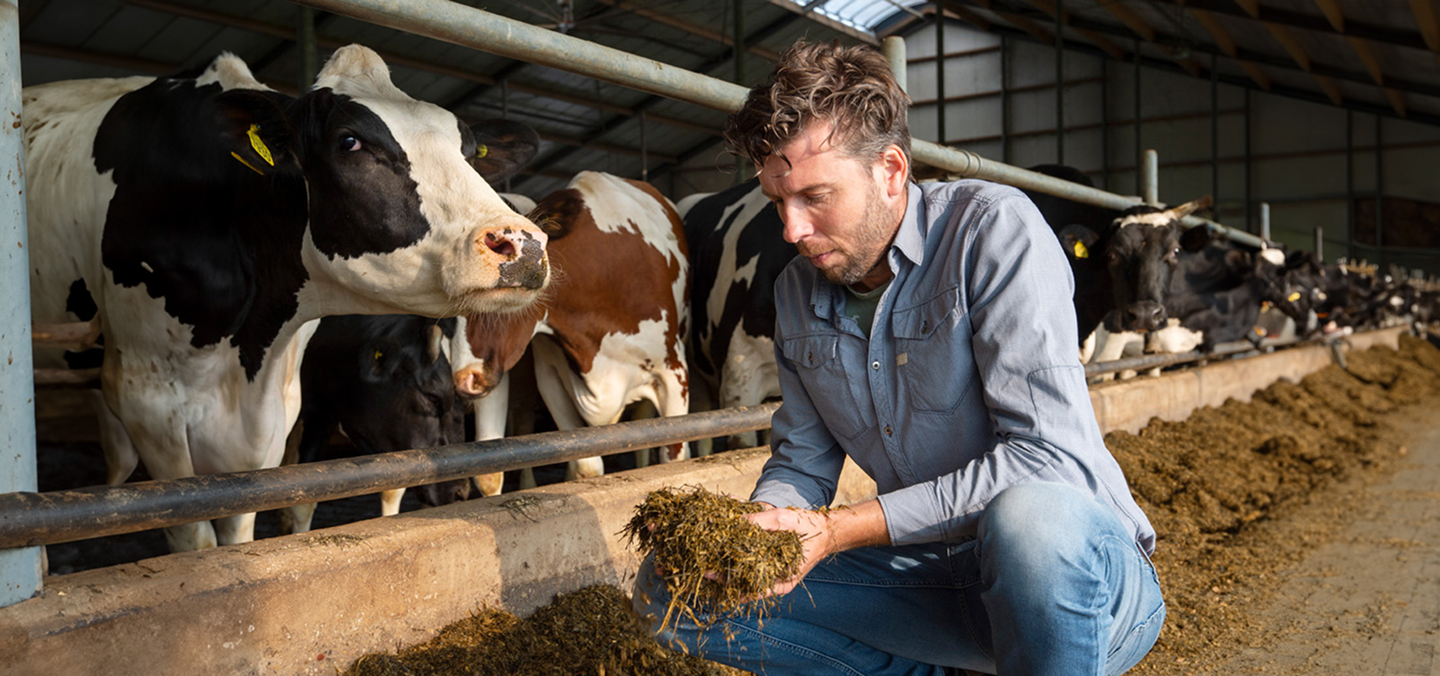
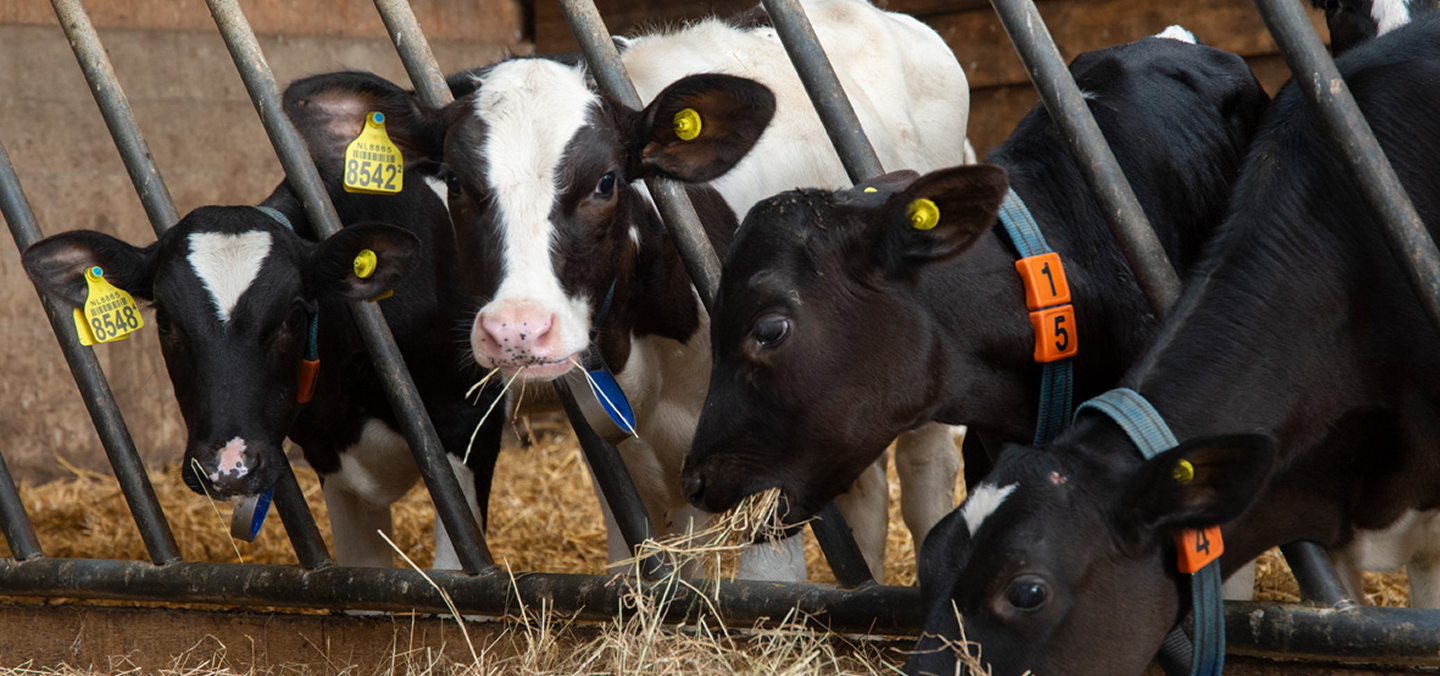
Photos for inspiration



Ruminant Nutrition advice by Nutrivice Consultancy
Many consultants can tell you what could be improved on your dairy farm. Far fewer can propose the right measures and actually implement them.
The consultants at Nutrivice Consultancy specialize in both identifying and implementing the correct solutions.
We design rations for all groups of dairy cattle on your farm. It doesn’t matter whether you work with TMR, PMR, concentrate feeders, milking robots, or individual ingredients. We use the latest scientific nutritional standards. As an independent nutrition consultancy, we do not produce feed ourselves and are not tied to any specific feed manufacturers. This allows us to remain completely independent and tailor our advice to what works best for your farm, regardless of where you source your feed.
Looking for independent feed advice for your dairy herd?
Feel free to contact us.
 NL
NL